High blood pressure, also known as hypertension, is a common health condition that can increase the risk of heart disease, stroke, and other complications when it is not properly managed. Along with regular physical activity, maintaining a healthy weight, and taking prescribed medications when necessary, a balanced diet can play an important role in supporting healthy blood pressure levels.
Making simple changes to your daily meals can help you choose more nutritious foods and reduce excessive sodium and unhealthy fats. Here are six important things to include in a diet for high blood pressure.
1. Fresh Fruits and Vegetables
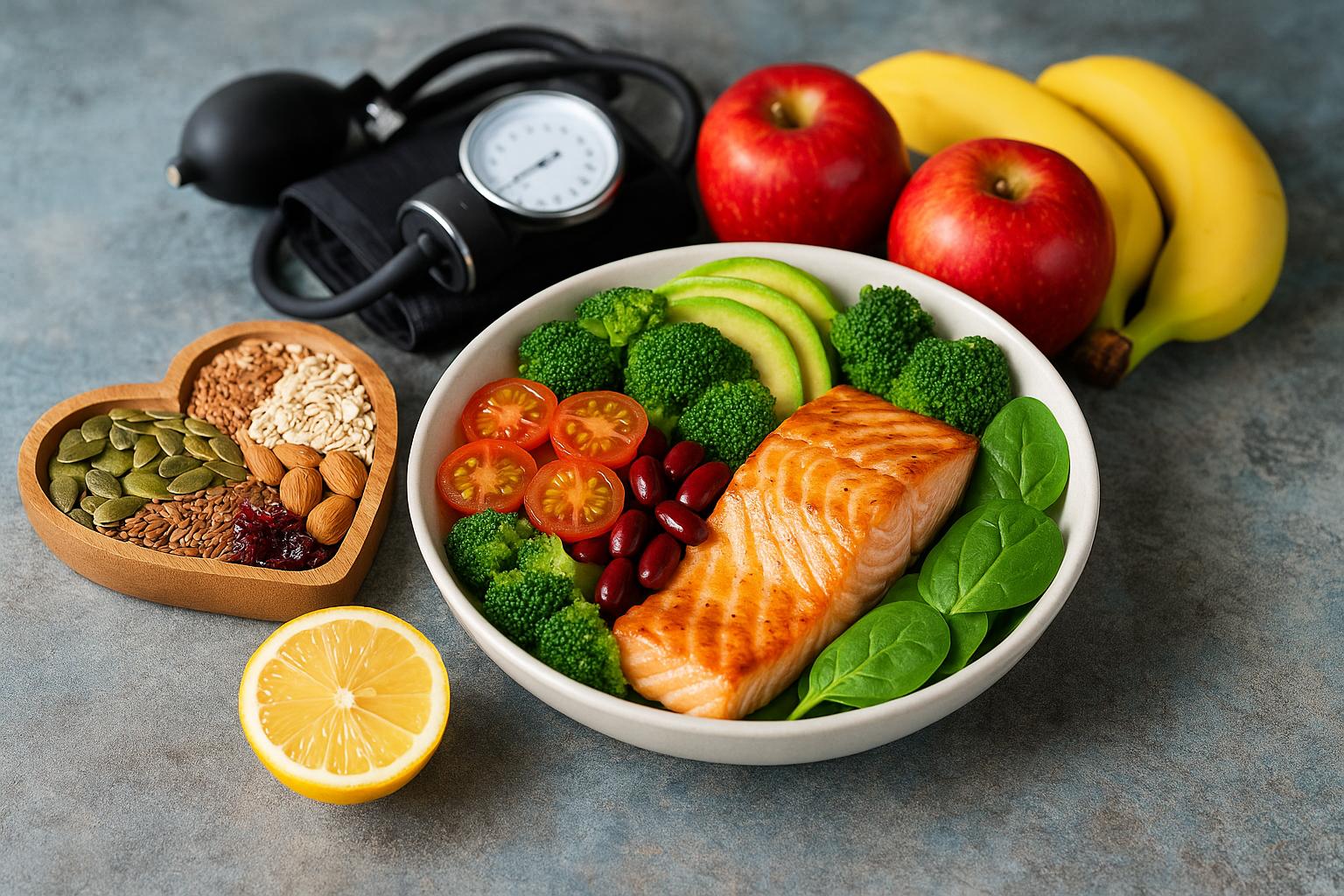
Fruits and vegetables are an important part of a heart-healthy diet. They provide essential vitamins, minerals, fiber, and other nutrients. Many fruits and vegetables are also naturally rich in potassium, which can support healthy blood pressure when included as part of an overall balanced diet.
Include a variety of foods such as bananas, oranges, apples, berries, tomatoes, spinach, carrots, broccoli, and other seasonal vegetables in your daily meals.
2. Whole Grains
Whole grains contain more fiber and nutrients than refined grains. Including whole-grain foods in your diet can help support overall heart health and make meals more filling.
Good choices include oats, brown rice, whole-wheat bread, whole-wheat roti, barley, and other minimally processed whole grains.
3. Low-Fat Dairy Products
Low-fat dairy foods can provide important nutrients such as calcium and protein. Choosing low-fat or reduced-fat options instead of full-fat dairy products can be a useful part of a balanced eating pattern.
Depending on your dietary needs, you can include low-fat milk, plain low-fat yogurt, or other suitable dairy products in your meals.
4. Nuts, Seeds and Legumes
Nuts, seeds, beans, lentils, and other legumes can provide protein, fiber, and beneficial nutrients. They can be a healthy addition to meals when consumed in appropriate portions.
Try adding foods such as almonds, walnuts, chia seeds, flaxseeds, chickpeas, kidney beans, and lentils to your regular diet. Choose unsalted nuts and seeds whenever possible to help limit sodium intake.
5. Lean Protein Sources
Protein is an important part of a balanced diet. Choosing lean sources of protein can help you maintain a nutritious eating pattern while limiting excess saturated fat.
Suitable options may include fish, skinless poultry, beans, lentils, and other plant-based protein sources. When preparing these foods, prefer methods such as steaming, grilling, baking, or cooking with limited oil rather than deep-frying.
6. Foods Low in Sodium
Reducing excessive sodium intake is particularly important for people with high blood pressure. Too much sodium can contribute to increased blood pressure in some individuals.
Try to limit highly processed and packaged foods, salty snacks, pickles, processed meats, instant foods, and foods containing large amounts of added salt. Instead, use herbs, spices, lemon, garlic, and other natural flavors to make meals enjoyable without relying heavily on salt.
What Foods Should You Limit?
Along with adding nutritious foods to your diet, it is also helpful to limit foods that are high in sodium, added sugars, saturated fats, and unhealthy fats. Processed foods, fast food, salty snacks, sugary drinks, and heavily fried foods should generally be consumed less often.
Reading nutrition labels can help you understand how much sodium and other nutrients are present in packaged foods.
Conclusion
A healthy diet can be an important part of managing high blood pressure. Including fruits and vegetables, whole grains, low-fat dairy, nuts and legumes, lean protein, and lower-sodium foods can help support a balanced and heart-friendly eating pattern.
However, dietary needs can vary from person to person. If you have high blood pressure or take medication for hypertension, speak with your doctor or a qualified dietitian before making major changes to your diet.
Note: This article is for general educational purposes and should not replace professional medical advice, diagnosis, or treatment.