Know All About Robotic Knee Replacement Surgery

Knee pain can significantly affect a person’s ability to walk, climb stairs, exercise, and perform everyday activities. When severe knee damage is caused by conditions such as osteoarthritis, rheumatoid arthritis, or previous injuries, knee replacement surgery may be recommended. With advances in medical technology, robotic knee replacement surgery has become an increasingly popular approach for patients who require knee replacement.

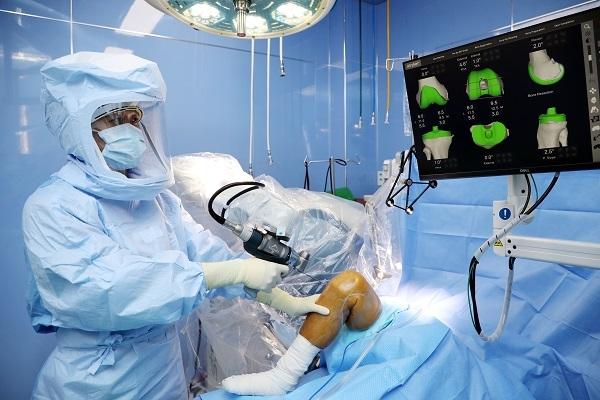
Robotic knee replacement is an advanced form of knee surgery in which robotic-assisted technology helps the surgeon plan and perform the procedure with greater precision. The technology supports the surgeon throughout the operation, while the surgeon remains fully in control of the procedure.

What Is Robotic Knee Replacement Surgery?

Robotic knee replacement surgery is a technology-assisted procedure used to replace damaged portions of the knee joint with artificial components. Before surgery, detailed imaging of the patient’s knee is used to create a personalized 3D model.

This model helps the surgeon understand the patient’s unique knee anatomy and plan the position and alignment of the implant. During the procedure, the robotic system assists the surgeon in following this personalized surgical plan.

It is important to understand that the robot does not perform the surgery independently. The surgeon controls the entire procedure, while the robotic system provides guidance and precision.

Who May Need Robotic Knee Replacement?

Robotic-assisted knee replacement may be considered for patients suffering from severe knee problems that do not improve with conservative treatments such as medication, physiotherapy, weight management, or lifestyle changes.

Common symptoms that may indicate the need for knee replacement include:

  • Severe or persistent knee pain
  • Difficulty walking or climbing stairs
  • Knee stiffness and reduced movement
  • Swelling or inflammation
  • Difficulty performing daily activities
  • Significant joint damage due to arthritis

The decision to undergo robotic knee replacement should be made after a detailed evaluation by an experienced orthopedic surgeon.

How Does Robotic Knee Replacement Work?

The process generally begins with advanced imaging of the knee. The images help create a detailed 3D representation of the patient’s knee anatomy. The surgeon then uses this information to create an individualized surgical plan.

During surgery, the robotic-assisted system helps the surgeon accurately prepare the damaged areas of the knee and position the implant according to the planned alignment. The surgeon continuously guides and controls the procedure.

This personalized approach can help the surgeon achieve accurate implant positioning and maintain appropriate balance of the surrounding soft tissues.

Benefits of Robotic Knee Replacement Surgery

One of the major advantages of robotic-assisted knee replacement is the ability to plan the procedure according to the patient’s individual anatomy.

Some potential benefits include:

  • More personalized surgical planning
  • Greater precision in bone preparation and implant positioning
  • Improved alignment of the knee implant
  • Potentially less damage to surrounding healthy tissue
  • Potentially faster rehabilitation in some patients
  • Improved functional outcomes

However, results can vary from patient to patient, and robotic technology does not guarantee a specific outcome.

Recovery After Robotic Knee Replacement

Recovery after robotic knee replacement varies depending on the patient’s age, overall health, severity of joint damage, and rehabilitation progress.

Patients are generally encouraged to begin moving the knee soon after surgery. Physiotherapy plays an important role in restoring strength, flexibility, balance, and mobility.

Following the surgeon’s rehabilitation instructions and regularly performing prescribed exercises can help support a successful recovery.

Most patients gradually return to their normal daily activities as their strength and mobility improve. The complete recovery period can vary from several weeks to a few months.

Is Robotic Knee Replacement Better Than Traditional Surgery?

Robotic-assisted surgery offers advanced planning and precision, but it is not automatically the right choice for every patient. Traditional knee replacement can also provide excellent results when performed by an experienced orthopedic surgeon.

The best surgical approach depends on factors such as the patient’s knee condition, anatomy, age, activity level, overall health, and the surgeon’s recommendation.

Conclusion

Robotic knee replacement surgery represents an important advancement in modern orthopedic care. By combining the experience of an orthopedic surgeon with advanced robotic-assisted technology, the procedure allows for detailed planning and precise execution based on the patient’s individual knee anatomy.

If you are experiencing persistent knee pain or difficulty with everyday activities, consulting an experienced orthopedic specialist can help determine whether knee replacement or another treatment option is appropriate for you.

Note: This article is for general educational purposes and should not replace advice from a qualified orthopedic surgeon or healthcare professional.

6 Things to Include in a Diet for High Blood Pressure

High blood pressure, also known as hypertension, is a common health condition that can increase the risk of heart disease, stroke, and other complications when it is not properly managed. Along with regular physical activity, maintaining a healthy weight, and taking prescribed medications when necessary, a balanced diet can play an important role in supporting healthy blood pressure levels.

Making simple changes to your daily meals can help you choose more nutritious foods and reduce excessive sodium and unhealthy fats. Here are six important things to include in a diet for high blood pressure.

1. Fresh Fruits and Vegetables

Fruits and vegetables are an important part of a heart-healthy diet. They provide essential vitamins, minerals, fiber, and other nutrients. Many fruits and vegetables are also naturally rich in potassium, which can support healthy blood pressure when included as part of an overall balanced diet.

Include a variety of foods such as bananas, oranges, apples, berries, tomatoes, spinach, carrots, broccoli, and other seasonal vegetables in your daily meals.

2. Whole Grains

Whole grains contain more fiber and nutrients than refined grains. Including whole-grain foods in your diet can help support overall heart health and make meals more filling.

Good choices include oats, brown rice, whole-wheat bread, whole-wheat roti, barley, and other minimally processed whole grains.

3. Low-Fat Dairy Products

Low-fat dairy foods can provide important nutrients such as calcium and protein. Choosing low-fat or reduced-fat options instead of full-fat dairy products can be a useful part of a balanced eating pattern.

Depending on your dietary needs, you can include low-fat milk, plain low-fat yogurt, or other suitable dairy products in your meals.

4. Nuts, Seeds and Legumes

Nuts, seeds, beans, lentils, and other legumes can provide protein, fiber, and beneficial nutrients. They can be a healthy addition to meals when consumed in appropriate portions.

Try adding foods such as almonds, walnuts, chia seeds, flaxseeds, chickpeas, kidney beans, and lentils to your regular diet. Choose unsalted nuts and seeds whenever possible to help limit sodium intake.

5. Lean Protein Sources

Protein is an important part of a balanced diet. Choosing lean sources of protein can help you maintain a nutritious eating pattern while limiting excess saturated fat.

Suitable options may include fish, skinless poultry, beans, lentils, and other plant-based protein sources. When preparing these foods, prefer methods such as steaming, grilling, baking, or cooking with limited oil rather than deep-frying.

6. Foods Low in Sodium

Reducing excessive sodium intake is particularly important for people with high blood pressure. Too much sodium can contribute to increased blood pressure in some individuals.

Try to limit highly processed and packaged foods, salty snacks, pickles, processed meats, instant foods, and foods containing large amounts of added salt. Instead, use herbs, spices, lemon, garlic, and other natural flavors to make meals enjoyable without relying heavily on salt.

What Foods Should You Limit?

Along with adding nutritious foods to your diet, it is also helpful to limit foods that are high in sodium, added sugars, saturated fats, and unhealthy fats. Processed foods, fast food, salty snacks, sugary drinks, and heavily fried foods should generally be consumed less often.

Reading nutrition labels can help you understand how much sodium and other nutrients are present in packaged foods.

Conclusion

A healthy diet can be an important part of managing high blood pressure. Including fruits and vegetables, whole grains, low-fat dairy, nuts and legumes, lean protein, and lower-sodium foods can help support a balanced and heart-friendly eating pattern.

However, dietary needs can vary from person to person. If you have high blood pressure or take medication for hypertension, speak with your doctor or a qualified dietitian before making major changes to your diet.

Note: This article is for general educational purposes and should not replace professional medical advice, diagnosis, or treatment.

Quick Guide to Identify Slipped or Bulging Disc

Back pain is a common problem that can affect people of different ages. In some cases, persistent back pain, numbness, or discomfort may be related to a slipped or bulging disc. Understanding the common symptoms can help you recognize when it may be time to consult a healthcare professional.

The terms slipped disc and bulging disc are often used interchangeably, but they can describe different changes in the spinal discs. A proper medical evaluation is important to identify the underlying cause of symptoms and determine the most suitable treatment.

What Is a Spinal Disc?

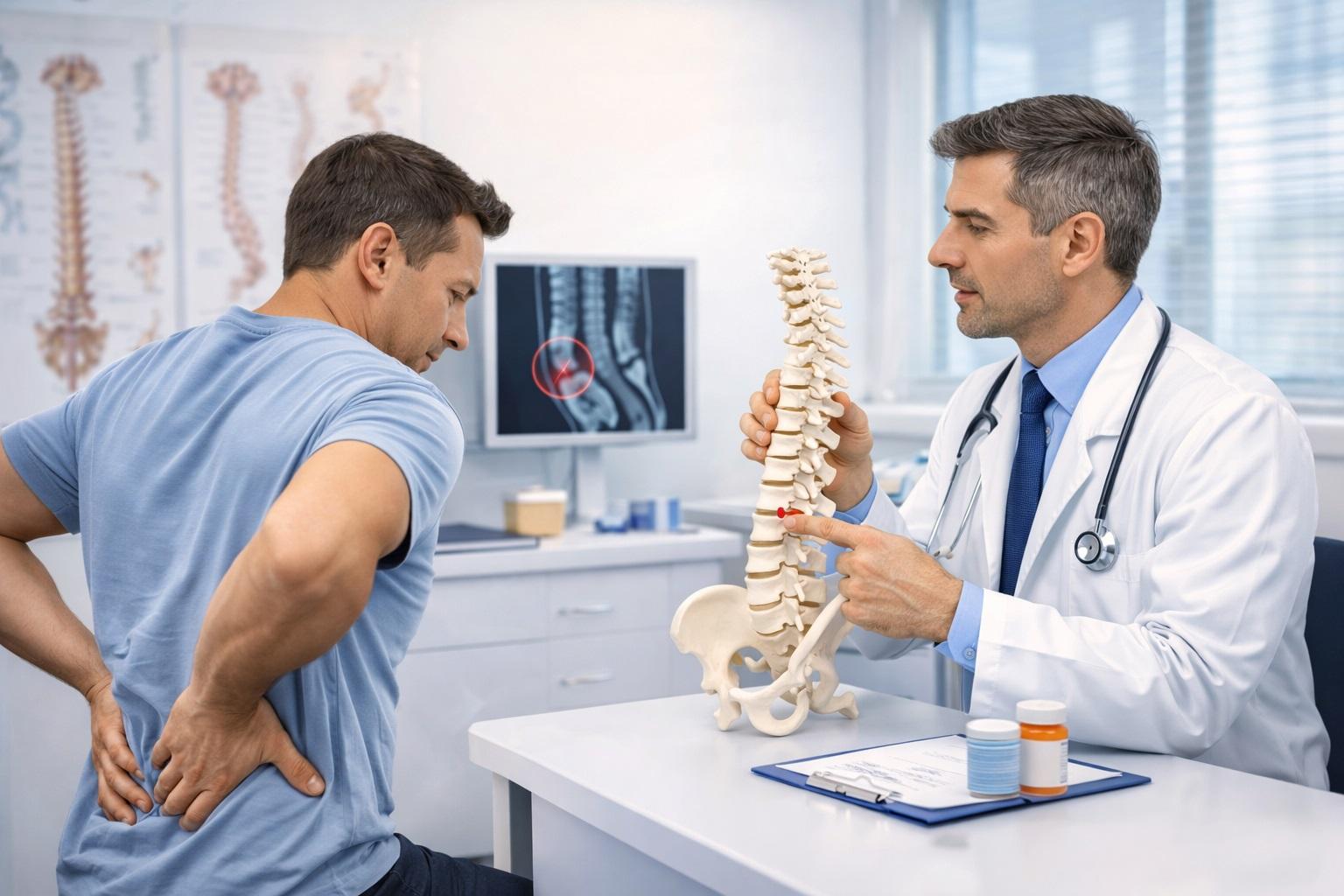
The spine is made up of a series of bones called vertebrae. Between these bones are flexible structures called spinal discs. These discs act as cushions and help absorb shock while allowing the spine to move.

Each disc has a soft inner portion surrounded by a stronger outer layer. Changes or damage to these discs can sometimes cause them to bulge or herniate and may irritate nearby nerves.

What Is a Bulging Disc?

A bulging disc occurs when the outer portion of a spinal disc extends beyond its normal boundary. The disc may bulge without the outer layer completely breaking. Many people with a bulging disc may have no symptoms, while others can experience pain or nerve-related symptoms depending on the location and severity.

What Is a Slipped or Herniated Disc?

A slipped disc, commonly referred to as a herniated or prolapsed disc, occurs when part of the inner material of a spinal disc pushes through a weakened or damaged area of the outer layer. If the displaced material presses against a nearby nerve, it can cause pain, numbness, or weakness.

Common Symptoms of a Slipped or Bulging Disc

The symptoms can vary depending on which part of the spine is affected. A disc problem in the lower back may cause symptoms in the back, buttocks, legs, or feet, while a problem in the neck may cause symptoms extending into the shoulder, arm, or hand.

Common symptoms may include:

  • Persistent or recurring back or neck pain
  • Pain that travels into the leg or arm
  • Numbness or tingling
  • Muscle weakness
  • Difficulty with certain movements
  • Pain that becomes worse with coughing, sneezing, or certain activities

What Causes a Slipped or Bulging Disc?

Spinal discs can change over time as part of the natural aging process. Repeated stress on the spine, improper lifting techniques, sudden injuries, and certain physical activities may also contribute to disc problems.

Factors such as being overweight, having poor posture, smoking, or performing activities that place repeated strain on the spine may increase the risk of developing disc-related problems.

How Is a Disc Problem Diagnosed?

A healthcare professional will usually begin with a medical history and physical examination. The doctor may check your movement, muscle strength, reflexes, and sensation to understand whether a nerve may be affected.

In some cases, imaging tests such as an MRI may be recommended. An MRI can provide detailed images of the spinal discs and surrounding structures and can help identify disc bulging or herniation.

When Should You See a Doctor?

If back or neck pain continues, keeps returning, or is accompanied by numbness, tingling, or weakness, it is advisable to consult a qualified healthcare professional. Early evaluation can help identify the cause of the symptoms and guide appropriate treatment.

Seek urgent medical attention if you experience severe or rapidly worsening weakness, loss of bladder or bowel control, or numbness around the inner thighs, buttocks, or genital area. These symptoms can indicate a serious spinal condition requiring immediate medical evaluation.

Treatment Options

Treatment depends on the severity of the condition and the symptoms experienced by the patient. Many disc-related problems can improve with non-surgical treatment, including appropriate activity modification, physiotherapy, pain management, and exercises recommended by a healthcare professional.

For patients with severe or persistent symptoms, or when significant nerve compression is present, a specialist may recommend additional treatments or surgery depending on the individual condition.

Conclusion

Recognizing the possible signs of a slipped or bulging disc can help you seek appropriate medical attention when needed. Back or neck pain does not always mean that you have a disc problem, so proper diagnosis is important before starting any treatment.

If you experience persistent pain, numbness, tingling, or weakness, consult an experienced spine or orthopedic specialist for a proper evaluation and personalized treatment plan.

Note: This article is for general educational purposes and should not replace professional medical advice, diagnosis, or treatment.

Thyroid in Kids: Everything You Need to Know

The thyroid gland plays an important role in a child’s growth, development, energy levels, and overall health. Although thyroid disorders are more commonly discussed in adults, children can also develop thyroid problems. Recognizing the signs early and getting appropriate medical evaluation can help support healthy growth and development.

Thyroid conditions in children can occur for different reasons, including autoimmune conditions, problems present from birth, inflammation of the thyroid gland, or other medical factors. The symptoms can vary depending on whether the thyroid is producing too little or too much thyroid hormone.

What Is the Thyroid Gland?

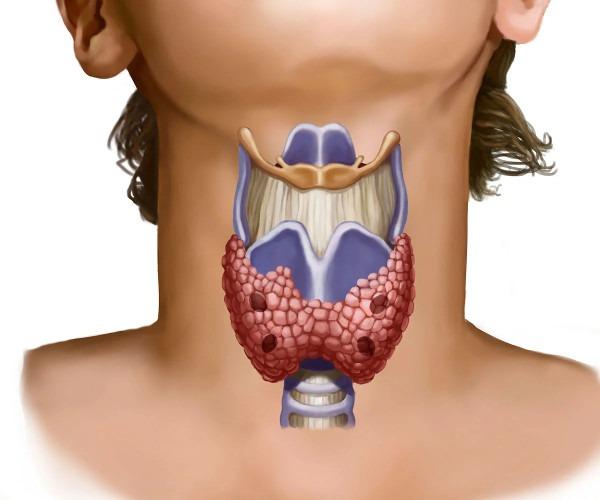
The thyroid is a small, butterfly-shaped gland located at the front of the neck. It produces hormones that help regulate important functions in the body, including metabolism, energy use, heart rate, body temperature, and growth.

Because thyroid hormones are important for normal growth and brain development, thyroid health is particularly important during childhood and adolescence.

Common Thyroid Problems in Children

Children can develop different types of thyroid disorders. The two main conditions are hypothyroidism, in which the thyroid does not produce enough thyroid hormone, and hyperthyroidism, in which the thyroid produces too much hormone.

Some children may also develop an enlarged thyroid gland, known as a goiter, or thyroid nodules. The underlying cause needs to be evaluated by a qualified pediatrician or pediatric endocrinologist.

Symptoms of Hypothyroidism in Kids

Hypothyroidism means the thyroid gland is underactive and does not produce enough thyroid hormone. In children, it may affect growth, development, energy, and other normal body functions.

Possible symptoms may include:

  • Tiredness or low energy
  • Slow growth or delayed development
  • Constipation
  • Dry skin or dry hair
  • Feeling unusually cold
  • Difficulty concentrating
  • Unexplained weight changes

Symptoms can develop gradually and may not always be easy to recognize. Regular health check-ups can help identify concerns related to a child’s growth and development.

Symptoms of Hyperthyroidism in Kids

Hyperthyroidism occurs when the thyroid gland produces more thyroid hormone than the body needs. It can cause the body’s functions to become unusually active.

Children with hyperthyroidism may experience symptoms such as increased heart rate, excessive sweating, nervousness, difficulty sleeping, increased appetite, weight loss, or difficulty concentrating. Some children may also develop a visible enlargement of the thyroid gland.

What Causes Thyroid Problems in Children?

Thyroid disorders in children can have several possible causes. Some children are born with an underactive or absent thyroid gland, while others develop thyroid problems later in childhood.

Autoimmune conditions are an important cause of thyroid disorders. Family history and certain medical conditions may also increase the likelihood of developing thyroid problems.

How Are Thyroid Problems Diagnosed?

If a doctor suspects a thyroid disorder, they may perform a physical examination and ask about the child’s symptoms, growth, development, and medical history.

Blood tests are commonly used to measure thyroid hormone levels and thyroid-stimulating hormone (TSH). Depending on the findings, the doctor may recommend additional tests such as thyroid antibody testing or an ultrasound examination.

How Are Thyroid Problems Treated in Children?

Treatment depends on the type and cause of the thyroid disorder. Children with hypothyroidism may require thyroid hormone replacement medication, while treatment for hyperthyroidism can vary depending on the underlying cause and severity of the condition.

Regular follow-up appointments and blood tests may be necessary to monitor thyroid hormone levels and make sure treatment remains appropriate as the child grows.

Why Early Diagnosis Is Important

Thyroid hormones are important for normal physical growth and brain development. Identifying a thyroid disorder early can help doctors manage the condition and reduce the risk of complications associated with untreated thyroid problems.

Parents should discuss any persistent concerns about a child’s growth, energy levels, behavior, weight, or development with their pediatrician.

Conclusion

Thyroid disorders can affect children at different stages of growth, but many thyroid conditions can be effectively managed with appropriate medical care. Understanding the common symptoms and causes can help parents recognize when professional evaluation may be needed.

If you notice persistent changes in your child’s growth, energy, weight, sleep, or overall health, consult a qualified pediatrician or pediatric endocrinologist for proper evaluation and guidance.

Note: This article is for general educational purposes and should not replace professional medical advice, diagnosis, or treatment.

Need Help?
Add to cart