Thyroid in Kids: Everything You Need to Know
The thyroid gland plays an important role in a child’s growth, development, energy levels, and overall health. Although thyroid disorders are more commonly discussed in adults, children can also develop thyroid problems. Recognizing the signs early and getting appropriate medical evaluation can help support healthy growth and development.
Thyroid conditions in children can occur for different reasons, including autoimmune conditions, problems present from birth, inflammation of the thyroid gland, or other medical factors. The symptoms can vary depending on whether the thyroid is producing too little or too much thyroid hormone.
What Is the Thyroid Gland?
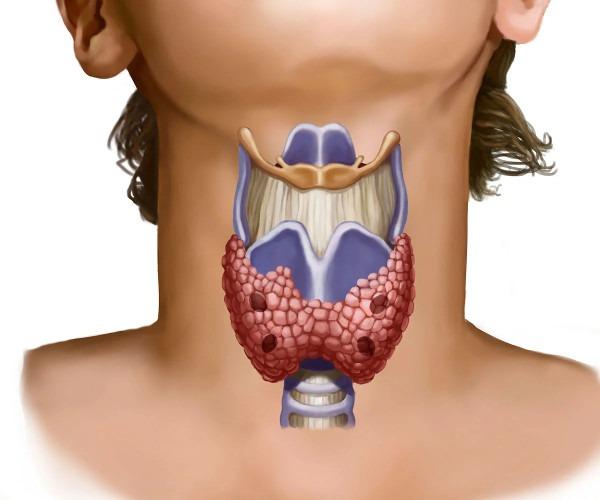
The thyroid is a small, butterfly-shaped gland located at the front of the neck. It produces hormones that help regulate important functions in the body, including metabolism, energy use, heart rate, body temperature, and growth.
Because thyroid hormones are important for normal growth and brain development, thyroid health is particularly important during childhood and adolescence.
Common Thyroid Problems in Children
Children can develop different types of thyroid disorders. The two main conditions are hypothyroidism, in which the thyroid does not produce enough thyroid hormone, and hyperthyroidism, in which the thyroid produces too much hormone.
Some children may also develop an enlarged thyroid gland, known as a goiter, or thyroid nodules. The underlying cause needs to be evaluated by a qualified pediatrician or pediatric endocrinologist.
Symptoms of Hypothyroidism in Kids
Hypothyroidism means the thyroid gland is underactive and does not produce enough thyroid hormone. In children, it may affect growth, development, energy, and other normal body functions.
Possible symptoms may include:
- Tiredness or low energy
- Slow growth or delayed development
- Constipation
- Dry skin or dry hair
- Feeling unusually cold
- Difficulty concentrating
- Unexplained weight changes
Symptoms can develop gradually and may not always be easy to recognize. Regular health check-ups can help identify concerns related to a child’s growth and development.
Symptoms of Hyperthyroidism in Kids
Hyperthyroidism occurs when the thyroid gland produces more thyroid hormone than the body needs. It can cause the body’s functions to become unusually active.
Children with hyperthyroidism may experience symptoms such as increased heart rate, excessive sweating, nervousness, difficulty sleeping, increased appetite, weight loss, or difficulty concentrating. Some children may also develop a visible enlargement of the thyroid gland.
What Causes Thyroid Problems in Children?
Thyroid disorders in children can have several possible causes. Some children are born with an underactive or absent thyroid gland, while others develop thyroid problems later in childhood.
Autoimmune conditions are an important cause of thyroid disorders. Family history and certain medical conditions may also increase the likelihood of developing thyroid problems.
How Are Thyroid Problems Diagnosed?
If a doctor suspects a thyroid disorder, they may perform a physical examination and ask about the child’s symptoms, growth, development, and medical history.
Blood tests are commonly used to measure thyroid hormone levels and thyroid-stimulating hormone (TSH). Depending on the findings, the doctor may recommend additional tests such as thyroid antibody testing or an ultrasound examination.
How Are Thyroid Problems Treated in Children?
Treatment depends on the type and cause of the thyroid disorder. Children with hypothyroidism may require thyroid hormone replacement medication, while treatment for hyperthyroidism can vary depending on the underlying cause and severity of the condition.
Regular follow-up appointments and blood tests may be necessary to monitor thyroid hormone levels and make sure treatment remains appropriate as the child grows.
Why Early Diagnosis Is Important
Thyroid hormones are important for normal physical growth and brain development. Identifying a thyroid disorder early can help doctors manage the condition and reduce the risk of complications associated with untreated thyroid problems.
Parents should discuss any persistent concerns about a child’s growth, energy levels, behavior, weight, or development with their pediatrician.
Conclusion
Thyroid disorders can affect children at different stages of growth, but many thyroid conditions can be effectively managed with appropriate medical care. Understanding the common symptoms and causes can help parents recognize when professional evaluation may be needed.
If you notice persistent changes in your child’s growth, energy, weight, sleep, or overall health, consult a qualified pediatrician or pediatric endocrinologist for proper evaluation and guidance.
Note: This article is for general educational purposes and should not replace professional medical advice, diagnosis, or treatment.